Anti-snap cylinders, and the two fitting mistakes that undo them
A three-star cylinder is designed to break in a controlled place and leave the locking part behind. Half the ones we look at were fitted in a way that defeats it.
6 minutes to read · 20 August 2026 · Written by the Torwick engineers
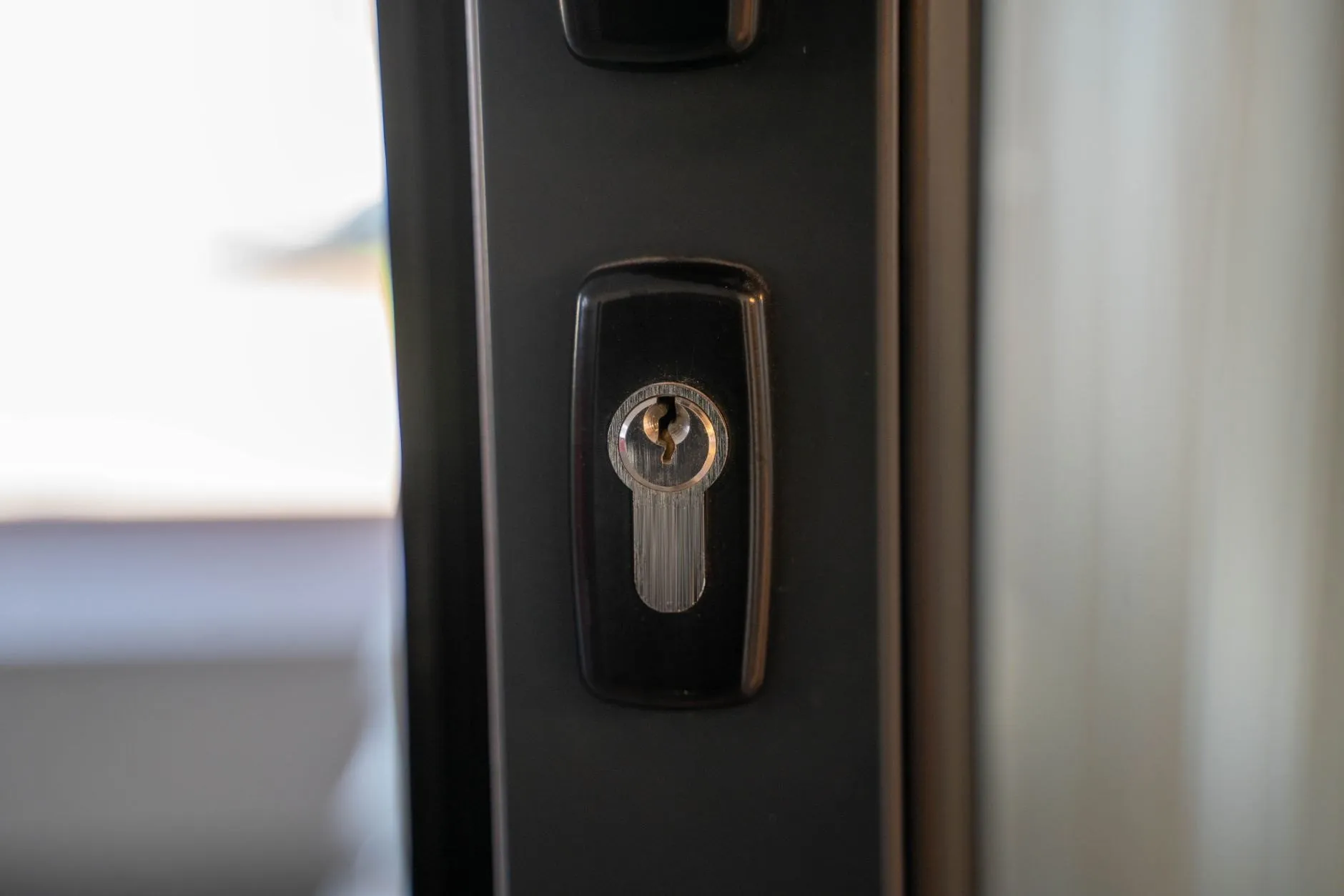
Lock snapping works because a euro cylinder is a long brass casting with a screw hole through the middle. Grip the part sticking out past the handle, lever it, and it breaks at its weakest section. On a cheap cylinder that is right at the cam, the piece that throws the bolt. Break it there and the door opens.
What anti-snap does
It moves the break. A three-star cylinder has a sacrificial section cut into it outboard of the cam, so the casting fails there first. The attacker is left holding a stub of brass, the cam stays in the lock, and the lock still works.
It is not a material that resists force. It is a shape that decides where force wins, which is why it is reliable.
The two things that undo it
It sticks out. A cylinder should sit within about 3 mm of the handle plate. Every millimetre past that is leverage. We regularly find good cylinders standing 10 mm proud because someone bought the size off the shelf instead of measuring the door.
A one-star cylinder behind two-star handles. The rating can be reached two ways: a three-star cylinder on its own, or a one-star cylinder protected by security handles. The second is legitimate, and fragile, because the handles are the first thing changed when someone redecorates.
What we charge
£95 fitted, one cylinder, measured to your door. Further doors keyed alike on the same visit are £70 each. If you have three doors and three keys, that last part is usually the real reason to do it.